Mission of YEF
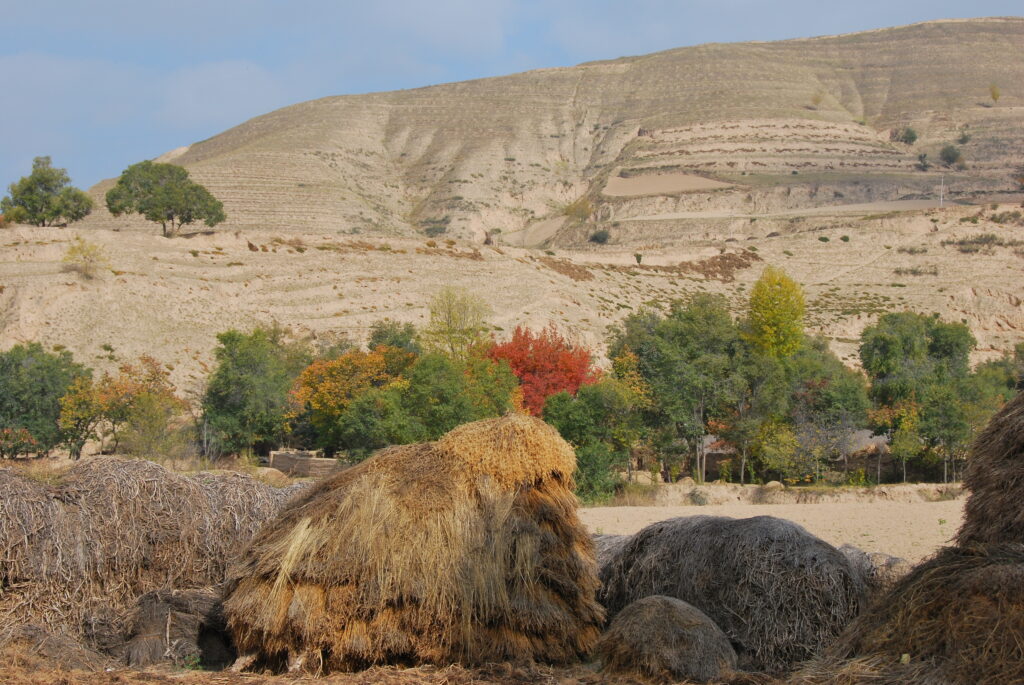
The Yellow Earth Foundation (YEF) is a registered non-profit-making, charitable organization. It was founded in 2009 by a group of volunteers devoted to community service and assisting poor peasants in China. It aims to help poor farmers raise productivity by improving production techniques, crop selection, water conservancy and soil quality. Through yields from their land, we hope they will maintain a reasonable quality of life in a sustainable manner. We believe knowledge can change destiny and actively fund peasants’ children to go to school. We encourage them not only to improve their livelihood but, above all, to give back to their hometowns and take it upon themselves to build their communities.
An Overview of Chinese Peasants
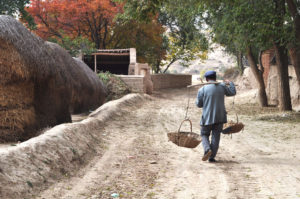
China was first founded on agriculture and is the world’s biggest agricultural country. At 1.412 billion, China’s population is about 18.6% of the world’s and yet only 12.5% of its land can be used for agriculture. Her per capita arable land is less than half of the world average while the per capita freshwater resources are only a quarter. As such, improvement on agricultural technology is a major issue of China’s future development. According to the findings of the 7th National Population Census, 36.11% of China’s total population live in rural areas. However, the agricultural value in 2021 accounted for only 10.53% of China’s GPD. This underlines the imbalance between the peasants’ number in the workforce and their productivity. While the State has been striving to improve the peasants’ livelihoods and invest huge resources to improve cropping techniques, water conservancy and irrigation, productivity is still low for many peasants who live in remote and mountainous regions. They remain below acceptable levels in terms of crop selection, application of production techniques, water conservancy and irrigation.
Impact of Economic Development on Rural Villages
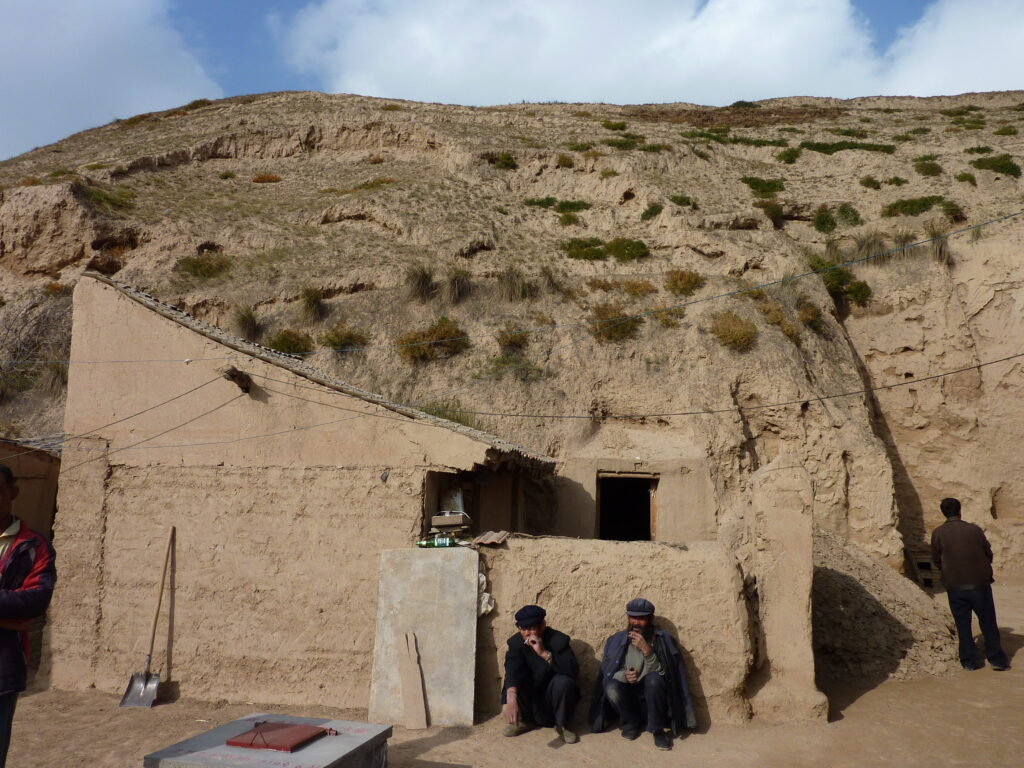
After 40 years of reform and opening up, the rapid economic development has significantly raised the living standards in coastal areas and big cities. In recent years, the “Policy on agriculture, country and farmers” of the Central Government has aimed to improve the environment of villages and the livelihood of peasants. Through education, peasants are encouraged to move to cities. Rapid economic development has quickened the pace of industrialisation and urbanisation and lots of farmland in the suburb have been acquired and changed to industrial use. In 2019, the per capita disposable income of urban residents was RMB 42,359 while that of rural residents was RMB16,021, less than half of the former (National Bureau of Statistics of the People’s Republic of China, 2019). The average annual yields from crops alone may be worth only several thousand dollars. Much of the labour force would rather become migrant workers in cities, leaving behind in the villages the elderly, women and children.
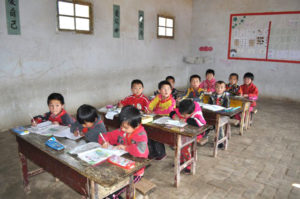
Over the past 30 years, many philanthropists overseas have built schools in villages on the Mainland, hoping to improve peasants’ lives through education. Against the social background of reform and opening up and rapid economic development in the past 40 years, education in rural China has been greatly improved in terms of both the strength of teachers’ quality and teaching environment. However, as the lives of poor peasants are extremely hard, their children would only work in cities after graduation to gain better rewards. A country with a population of more than 1.4 billion cannot go for urbanisation incessantly. From the perspective of local customs and culture preservation, excessive urbanisation will make it difficult for the cultures of Chinese peasants and ethnic groups to survive.
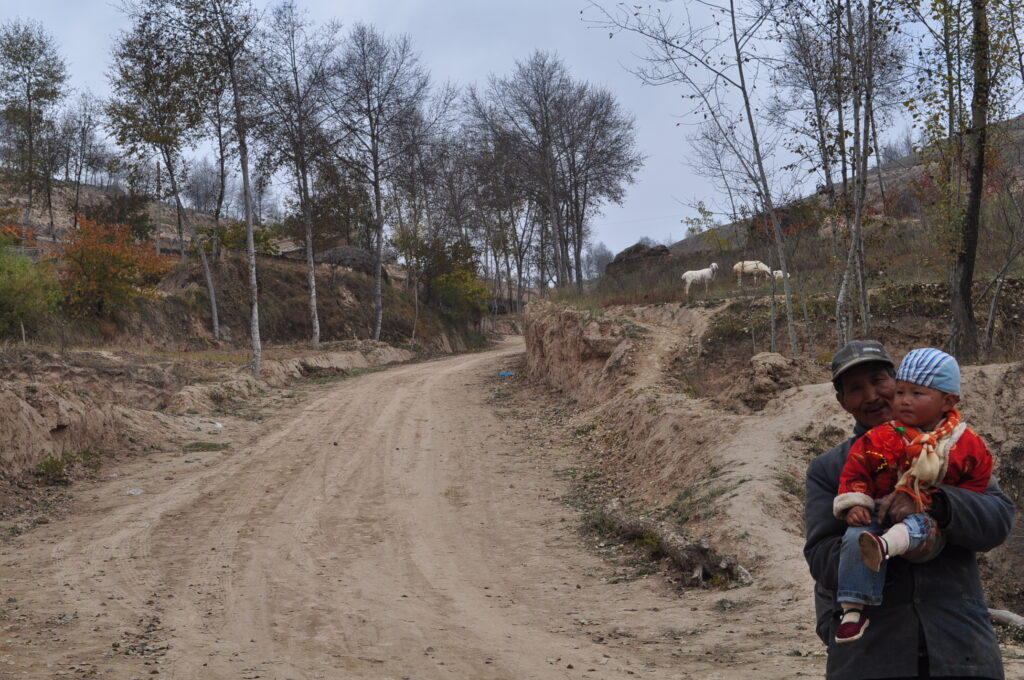
In recent years, socialism with Chinese characteristics has entered a new era. The country’s “village revitalisation” strategy insists on giving priority to the development of agriculture and rural areas. In accordance with the general requirements of industrial prosperity, ecological livability, rural civilisation, effective governance, and affluent life, the strategy is committed to establishing a sound urban-rural integration development system, mechanism and policy system, and accelerating the promotion of agriculture and rural modernisation. By the end of 2020, the urbanisation rate of China’s permanent population exceeded 60%. Urbanisation is certainly an inevitable phenomenon of national development, but behind the rapid development of cities and towns, farmers in remote countryside or mountainous areas are facing a risk of being further marginalised. This has also exacerbated the polarisation of wealth between mountain farmers and cities. There is a burning need to increase agricultural production, improve agricultural production methods, and enhance crop species and sustainable development of the natural environment.
Our Wish
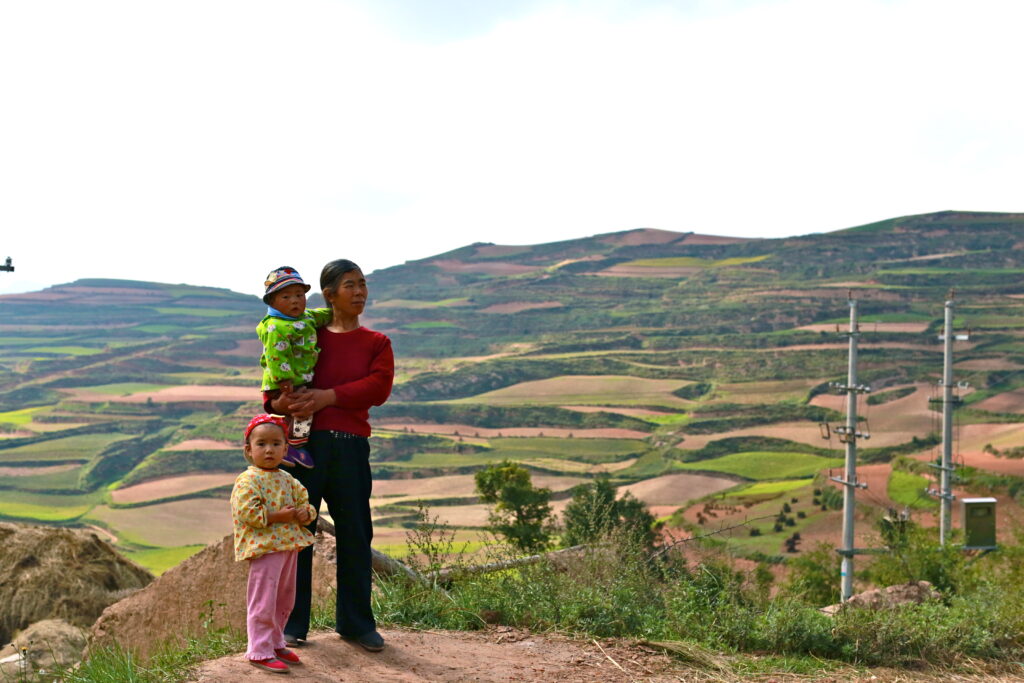
YEF is blessed by a group of dedicated volunteers and generous philanthropists who give unreservedly to improve the lot of poor peasants. We hope to improve the peasants’ living standard by raising their productivity. We also hope to attract their educated children to come home and join the workforce, making use of their knowledge to help themselves and others. This will raise the quality and productivity of peasants so that China’s agricultural industry will not diminish. We may also avoid the extreme situation of relying on the import of foreign agricultural products.